Exploring The Relationship Between Latte Art And Latte Coffee
In the world of specialty coffee, few things are as visually captivating as a beautifully poured cup of latte. The artful swirls, delicate hearts, and intricate rosettas on the surface of the drink are more than just an aesthetic flourish¡ªthey represent a deep connection between technique, creativity, and the pursuit of coffee excellence. But while latte art is a striking visual expression, its true synergy lies in how it enhances the flavor and experience of the latte itself.
![The Relationship Between Latte Art And Latte Coffee]()
In this comprehensive exploration, we'll delve into the symbiotic relationship between latte art and the latte, how these elements work together to elevate the coffee experience, the techniques behind mastering latte art, and the philosophy behind crafting the perfect latte. Whether you're a seasoned barista, a latte enthusiast, or someone curious about the world of coffee artistry, this post will provide you with a deeper understanding of the delicate balance between the drink and the art that graces its surface.
A latte typically contains less caffeine than other espresso-based drinks due to its high milk content. Made with one or two shots of espresso and a generous amount of steamed milk, the caffeine content in a standard 8-ounce latte ranges between 63 to 126 milligrams, depending on whether it includes a single or double shot. The espresso base provides the caffeine, while the milk adds volume and smoothness without increasing caffeine. Since espresso is more concentrated than drip coffee, the caffeine per ounce is higher, but the overall caffeine in a latte can be lower due to dilution with milk.
The type of coffee bean used for the espresso shot also affects the total caffeine. For example, Robusta beans contain nearly twice the caffeine of Arabica beans. Additionally, factors like roast level and brewing time can impact the final caffeine content. A caffeine calculator can help estimate the caffeine in a latte by inputting factors such as the number of espresso shots, coffee bean type, and serving size.
For individuals monitoring their caffeine intake, especially in the morning or before bed, using a caffeine calculator can be a helpful way to balance flavor and energy needs when choosing a latte or other coffee drink.
1. The Latte: A Perfect Foundation
Before we dive into the artistry of latte art, it's important to first understand the latte itself. But as with all things in coffee, simplicity is often the result of careful craftsmanship and attention to detail.
What Makes a Good Latte?
The perfect latte starts with a solid espresso base. It should also have a layer of crema¡ªthe golden, foamy layer that sits atop the espresso, offering both texture and aromatic complexity.
The second key component of a latte is the steamed milk. Steaming milk is an art in itself. The goal is to heat the milk to a temperature of around 150¡ãF (65¡ãC) while also incorporating air to create a velvety microfoam. The microfoam should have a smooth, creamy consistency, with tiny, uniform bubbles that give the milk a silky texture. The right milk-to-espresso ratio in a latte is generally 1:3, meaning for every shot of espresso, there are three parts steamed milk.
When combined, the espresso and steamed milk should create a balanced drink that is creamy, slightly sweet, and full of flavor. But, beyond the taste and texture, this is where latte art comes into play.
2. The Birth of Latte Art: A Craft of Expression
Latte art began as a way for baristas to showcase their skills and add a personal touch to the customer experience. While some claim the art's origins date back to 1980s Italy, it became truly popular in the 1990s in the United States, thanks to the influence of specialty coffee shops and baristas eager to elevate the coffee experience.
The early designs were relatively simple, focusing on pouring techniques like the heart and rosetta. But over time, these patterns evolved into intricate works of art, leading to competitions and the establishment of latte art as a professional craft.
The Basics of Latte Art: The Technique
The interaction between the milk and the crema is essential in forming the designs. The process of pouring is delicate¡ªtoo fast, and the milk will break the crema; too slow, and the design won't form properly.
There are two main types of latte art:
Free Pouring: This is the most common style of latte art, where the barista pours steamed milk directly into the espresso to create a design. The flow of milk and the movement of the pitcher determine the pattern.
Etching: While free pouring relies on the natural formation of patterns, etching involves using tools (such as a toothpick or needle) to draw intricate designs onto the surface of the milk. This style can create more detailed, elaborate images like animals or logos.
Key Latte Art Techniques
To master latte art, baristas must master a few key techniques:
Steaming Milk: This is the foundation of good latte art. Steaming milk involves introducing air to create microfoam, while simultaneously controlling the temperature to ensure the milk is creamy and smooth.
Pouring: The act of pouring is where the magic happens. The barista pours the milk at the right speed, angle, and height to create different patterns. For a heart, the barista typically starts pouring from a higher point, then lowers the pitcher and pours into the center. For a rosetta, a back-and-forth motion is used while pouring, creating a feathered design.
Latte Art Consistency: To achieve consistently good latte art, baristas must perfect their technique. A single pour can go wrong for many reasons: improper milk frothing, bad crema, or a shaky hand. Experience, precision, and control are key.
3. The Synergy Between Latte Art and Flavor
While latte art is primarily visual, it has a significant impact on the overall coffee experience, including the taste of the latte. Understanding the synergy between latte art and the drink's flavor profile is key to appreciating the artistry behind every pour.
How Latte Art Affects the Latte Experience
Texture and Creaminess: The microfoam used in latte art contributes to the mouthfeel of the latte. When milk is steamed correctly, it creates a smooth, velvety texture that enhances the drink's overall experience. This creates a creamy consistency that coats the palate and balances the espresso's boldness.
Visual Aesthetic and Enjoyment: The beauty of latte art adds an element of visual pleasure to the drinking experience. When you see a well-crafted design on your latte, it can enhance your overall enjoyment, making the drink feel more refined and satisfying.
The Crema Factor: The crema on an espresso serves as a visual marker of freshness, quality, and proper extraction. The interaction between the crema and steamed milk during the pouring process is crucial in achieving a clean, sharp design. When the art is well-formed, it indicates that the crema is intact, and the espresso was pulled correctly.
Balance of Flavors: Latte art can indicate how well the milk has integrated with the espresso. A balanced latte, with a harmonious interaction between the bitterness of espresso and the sweetness of milk, results in a drink that's both flavorful and visually appealing. If the milk is too thick or too thin, the latte art won't form correctly, and the balance between milk and espresso will be compromised.
4. Latte Art and Coffee Culture: A Global Phenomenon
In cities like Melbourne, Seattle, and Copenhagen, latte art is a critical part of the coffee shop's appeal, with many baristas dedicating years of practice to perfecting their pour.
Latte Art Competitions
Latte art competitions have become a global phenomenon. The World Latte Art Championship (WLAC) is the premier event for showcasing latte art skills, where baristas from all over the world compete to demonstrate their pouring techniques and creativity. Competitors are judged on the quality, originality, and consistency of their pours, as well as the ability to create complex designs under pressure.
These competitions not only push the boundaries of artistic expression but also raise the standard for barista skills in the coffee industry. Through practice and competition, baristas are continually refining their technique, leading to new trends and innovations in latte art.
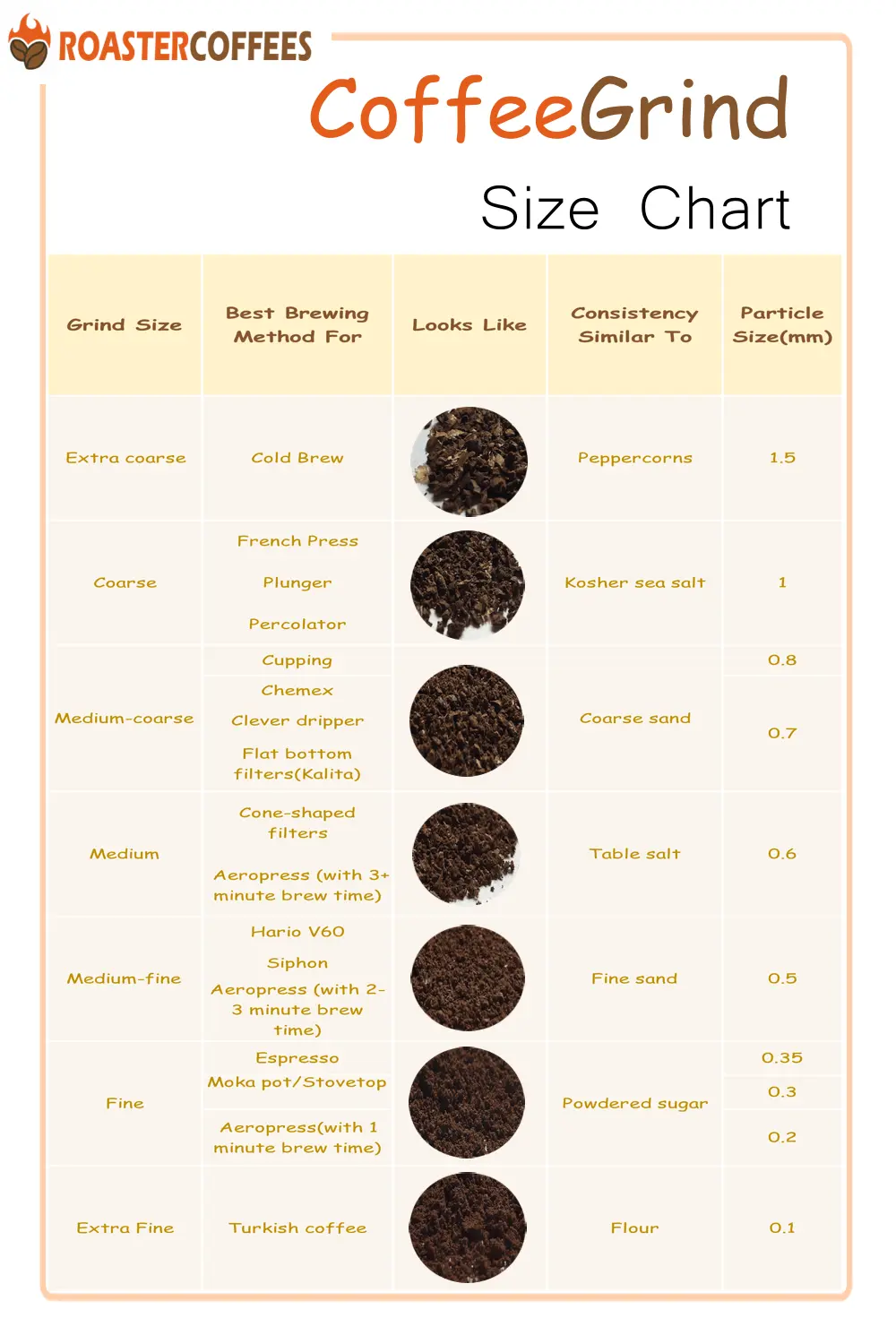
When brewing a latte, the grind size of the coffee plays a crucial role in extracting the right balance of flavors. A latte is typically made with espresso as its base, which requires a fine grind. The fine grind allows for proper extraction during the short brewing time of an espresso shot, typically around 25-30 seconds.
Using a fine grind ensures that the water passes through the coffee evenly, extracting the necessary oils, flavors, and caffeine while minimizing under-extraction or over-extraction. If the grind is too coarse, the water will flow through too quickly, leading to a weak and underdeveloped flavor. Conversely, a grind that's too fine can result in over-extraction, which may make the coffee taste bitter.
The coffee grind size chart helps in selecting the ideal grind for espresso-based drinks like lattes. In the chart, espresso grinds are categorized as extra fine, fine, medium-fine, medium, and coarse. For a latte, espresso requires a fine grind, typically similar to table salt's texture. Consistency is key, as uneven grinds may cause inconsistent extraction and affect the final flavor.
If you're using an espresso machine or a manual espresso maker, ensure you check the grind size and adjust according to the desired strength and flavor. A proper grind is essential for achieving a smooth and well-balanced latte.
Latte Art as a Reflection of Skill
It's not just about creating a pretty design-it's about understanding the chemistry of coffee, the physics of pouring, and the subtleties of milk texture. A good latte artist is an expert in balancing all these factors, ensuring that the art complements the flavors of the coffee and creates an unforgettable experience for the customer.
5. The Future of Latte Art: Innovation and Creativity
As coffee culture continues to evolve, so too does the artistry of latte. New techniques and innovations are constantly emerging, pushing the boundaries of what's possible with steamed milk and espresso.
Latte Art with Non-Dairy Milks: As plant-based milk options like oat, almond, and soy continue to rise in popularity, baristas are learning to adapt their latte art skills to accommodate these alternative milks. While non-dairy milks have different properties than cow's milk, advancements in technique have allowed for impressive latte art with these milks.
3D Latte Art: Some baristas have taken latte art to new heights by creating three-dimensional designs. Using specialized tools and techniques, 3D latte art includes sculpted elements like faces, animals, or intricate designs that rise above the surface of the drink.
Latte Art with Edible Inks and Powders: Another trend is the use of edible colors and powders to add vibrancy and texture to the designs. These innovations allow baristas to get even more creative with their artwork, creating colorful, dynamic designs that stand out visually.
6. Conclusion: Latte Art as a Craft, a Statement, and an Experience
Latte art is more than just a visual decoration on top of your coffee-it's a demonstration of skill, creativity, and a deep appreciation for the craft of coffee making. Whether you're enjoying a simple heart or a complex rosetta, latte art enhances the experience of drinking a latte, adding elegance, refinement, and a sense of artistry to the moment.
For the coffee drinker, it's a moment of beauty and enjoyment, one that elevates the simple act of drinking coffee into something more profound.
In the synergy between latte art and the latte itself, we see a perfect harmony between craftsmanship and flavor, where every pour is an opportunity to create something memorable. Whether you're new to coffee or a seasoned aficionado, there's always something new to discover in the world of latte art.
References:
Brewing Sustainability: Nurturing a Greener Future for the Coffee Industry
The Timeless Appeal Of Hot Coffee