Greg had four kids, a dog, and a minivan that saw more spilled juice boxes and muddy cleats in a single soccer season than most cars see in a decade. He'd bought a cheap set of mats years earlier without giving it much thought, and by the time he finally looked down at the floor one afternoon, he barely recognized the carpet underneath. Stains had layered on top of stains, and the mats themselves had cracked at the edges from years of feet dragging in and out. He realized then that not all mats were created equal, and that choosing the right one from the start would have saved years of slow, creeping damage.
Greg's situation is one a lot of parents, commuters, and daily drivers eventually run into. Protection isn't just about having a mat in place, it's about choosing the right kind of mat for how the vehicle actually gets used.
Start With How the Vehicle Is Actually Used
The right mat depends heavily on lifestyle. A commuter who mostly deals with dry sidewalks and the occasional coffee spill has very different needs than a parent hauling kids and gear, or someone who spends weekends hiking, camping, or working outdoors. Heavier daily wear calls for a mat with a deeper edge to contain debris, a tougher surface to resist repeated abrasion, and a fit precise enough that it doesn't shift out of place after months of constant use.
Look Past the Surface Material
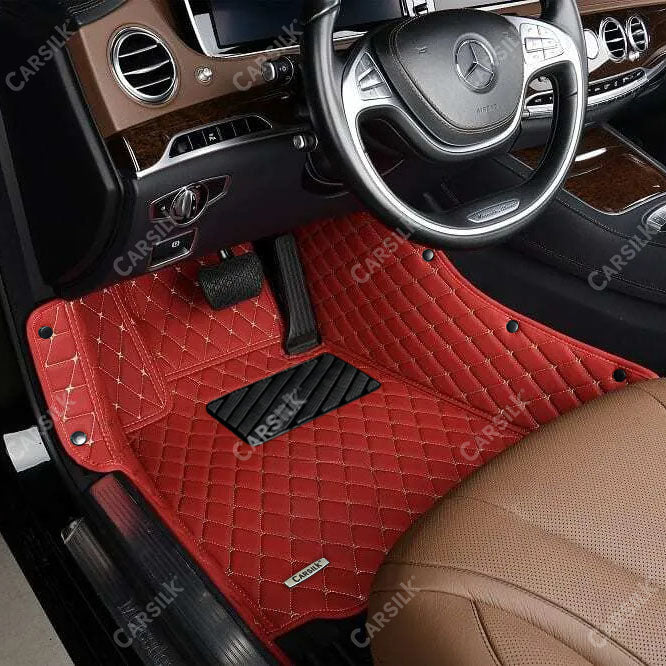
Rubber and TPE mats are common because they're inexpensive and reasonably water-resistant, but they tend to feel stiff, crack over time, and rarely match the look of a nicer interior. Layered eco-leather construction offers a more premium feel while still managing moisture and daily wear, provided the mat is built with enough layers to actually hold up rather than a single thin sheet stretched over a mold. The material sets the tone for how long the mat protects the floor before it starts to break down itself.
Fit Determines How Well Protection Actually Works
A mat that doesn't sit flush against the floor pan leaves gaps where moisture and debris slip past it entirely, undermining the protection it's supposed to provide in the first place. Retention clips that don't line up with a vehicle's factory anchor points allow the mat to shift during braking or acceleration, which creates both a safety concern and an opening for the carpet underneath to take on damage anyway. Precision fit isn't a bonus feature, it's the foundation that everything else depends on.
What Makes a Genuinely Protective Mat
CarSilk builds its mats using 3D laser scanning mapped across more than 800 vehicle models, then hand-assembles each one from five layers of eco-leather rather than rubber or TPE. That combination of precise fit and durable, layered construction is what separates mats that hold up for years from ones that need replacing within a single season. For anyone comparing floor mats for car protection, the difference usually comes down to exactly this: how well the mat was designed to match the vehicle it's protecting, not just how it looks in a product photo.
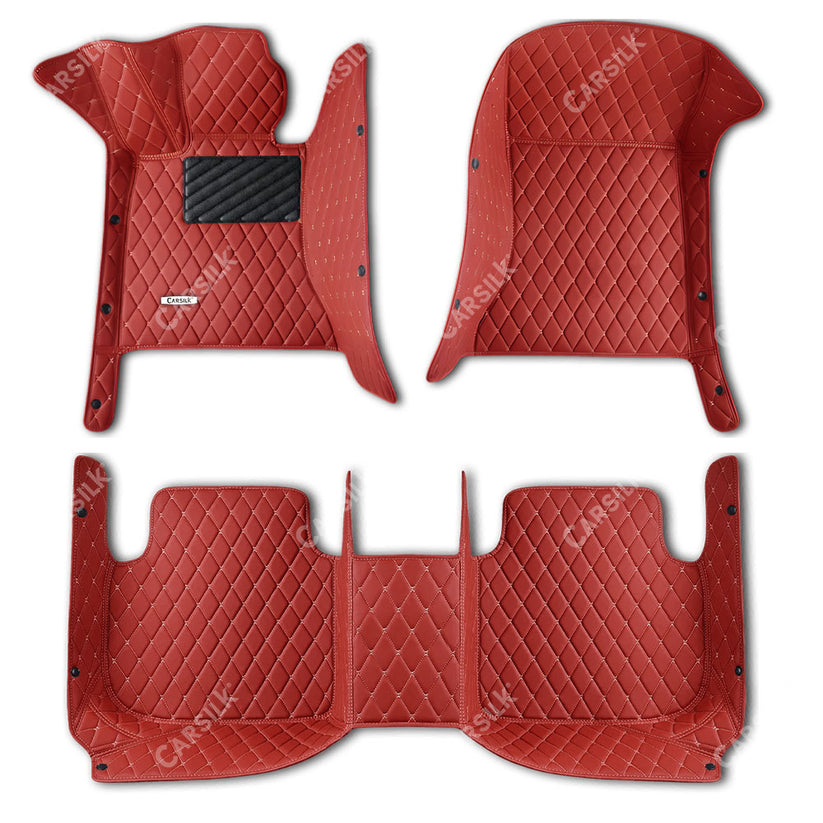
Anyone ready to find the right protection for their specific vehicle can browse the full collection here: https://carsilks.com/collections/car-floor-mats-collection/ — organized by make, model, and year.
Choosing With Intent, Not Convenience
The best floor mats for protecting a car's interior aren't necessarily the cheapest or the most convenient option on the shelf. They're the ones matched to how the vehicle is actually used, built from materials that hold up over years rather than months, and fitted precisely enough to stay in place through daily driving. Taking the time to choose intentionally now prevents the kind of slow, layered damage Greg didn't notice until it was already done.
Curious whether the right mats can also affect what a car is worth down the road? Read next: Can Custom Car Mats Increase the Value of Your Vehicle?